
Running a corporation involves more than tracking sales and paying bills. To build lasting financial stability, business owners need a clear tax strategy. A professional tax accountant can help you understand deductions, manage cash flow, and make informed decisions throughout the year. As a result, effective tax planning for incorporated businesses becomes a key part of long-term success rather than a last-minute task at tax time.
Looking Beyond the Annual Tax Return
Many owners focus only on filing their corporate return once a year. However, tax planning is most effective when it happens continuously. For example, decisions about salaries, dividends, equipment purchases, and shareholder loans can all affect how much tax your corporation pays.
A knowledgeable tax accountant reviews these choices in advance. Therefore, you can reduce surprises and keep more money available for growth.
Improving Cash Flow and Reinvestment
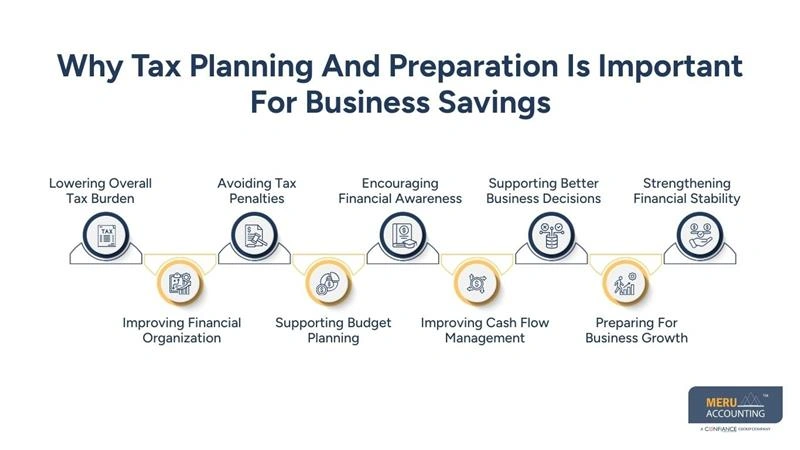
Strong businesses need healthy cash flow. When taxes are planned properly, companies can set aside the right amount for installments while preserving funds for operations.
This is why tax planning for incorporated businesses is so valuable. It helps owners time expenses, claim capital cost allowance, and use available credits efficiently. In turn, more cash can be reinvested into staff, technology, and equipment.
Why Prince George Businesses Benefit from Professional Guidance
Prince George is the economic hub of northern British Columbia, serving industries such as forestry, transportation, construction, and healthcare. In 2026, the city’s population is estimated to exceed 77,000, and many local companies operate as incorporated businesses.
Because each industry faces different tax considerations, a local tax accountant can provide advice tailored to regional business realities. Whether you run a trucking company, medical practice, or retail store, planning ahead can lead to better financial outcomes.
Reducing Risk and Staying Compliant
Tax rules change regularly, and missing a requirement can result in interest and penalties. In addition, inaccurate records may create problems during a CRA review.
With proactive tax planning for incorporated businesses, owners can stay organized and meet filing deadlines with confidence. Furthermore, they gain a clearer picture of retained earnings, tax liabilities, and future obligations.
Successful companies do not leave taxes to chance. Instead, they use strategic planning to support growth and protect profits. With the help of an experienced tax accountant, incorporated businesses can lower unnecessary tax costs, improve decision-making, and strengthen their financial foundation for years to come.