Contemporary buildings are not only made to look appealing or to be strong. Nowadays, a lot of builders emphasize on saving energy, minimizing waste, and reducing the expenditure of the building in the future. Due to this change of focus, metal roofs have become a trendy option in green buildings. Apart from protecting a building from extreme weather, it contributes to enhancing the energy efficiency of the whole building.
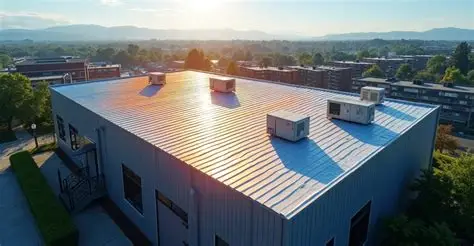
Besides that, metal roofing that is built to conserve energy is able to reflect sunlight instead of absorbing it. The Department of Energy of the U.S. states that materials used for cool roofing may cause a roof surface temperature drop of up to 50-60°F (10-33°C) in comparison with the traditional dark roofs. Consequently, the interior of the buildings is cooler, and much less energy is necessary for the usage of air conditioning. Hence, such systems of roofing meet the goals of both comfort and sustainability in construction nowadays.
Lower Energy Use Indicates Long-term Savings
Significantly lower energy expenses are the main benefit that convince builders to use energy-efficient metal roofing. In case a roof is able to reflect more sunlight, less cooling will be needed in indoor spaces. Property owners therefore benefit from lower electricity consumption in the long run.
Actually, the recent study states that reflective metal roofs in warm regions can reduce the cost of cooling by as much as 25%. Besides that, it is widely known that many metal roofs feature special coatings that enhance their reflectivity and at the same time help them insulate better. These elements make metal roofing visually represent saving both financially and environmentally.
What is more, these types of savings keep happening every year. On the one hand, metal roofs initially need a higher investment as compared to asphalt shingles. On the other hand, since metal roofs require fewer repairs and lead to decreased energy consumption, the overall benefits outweigh the initial cost. In this way, it turns out to be a sensible and affordable choice for new buildings.
Durability Supports Sustainable Building Goals
Sustainability goes well beyond energy saving, it is also a matter of waste reduction. Metal roofing systems are currently one of the few solutions that can last for a life time compared to the conventional ones that will most likely need to be replaced every 15 to 20 years. In fact, metal roofing can last as long as 40 to 70 years, depending on the material and level of maintenance.
The resilience of metal roofs is deeply embedded in their structure so that they can resist physical damages quite well such as cracking, shrinking, and erosion. Besides that, they can stand the test of the most severe weather conditions such as heavy rain, strong winds, and snow without any damage. In the long run, their longevity means less frequent repairs or replacements and therefore less waste that eventually ends up in landfill.
Metal roofing materials are good candidates for recycling. As per the Data, not only do metal roofing materials mostly contain 25%, 95% recycled content but they can also be fully recycled at the end of their life. That is to say, using metal roofing encourages a building strategy consistent with the principles of a circular economy apart from being responsible.
Enhanced Indoor Comfort and Greater Design Options
Human comfort has become a very important aspect of building design these days. Thanks to metal roofing that is energy-efficient, it is possible to maintain a stable indoor temperature throughout the year. Actually, they contribute to lowering temperature fluctuations which ultimately result in more comfortable living conditions. Furthermore, the cooling systems will also not have to work as hard which directly leads to energy saving and product durability as well.
Metal roofing of the 21st century is not just about providing basic needs. Currently, such roofs are available in a wide range of colors, finishes, and styles to suit different architectural designs. For instance, metal panels can be made to look like tile or slate or wood, and yet they will still offer energy efficiency at a very high level. It is safe to say that exterior beauty and environmental responsibility can go hand in hand thanks to the versatility of metal.
Metal Roofing is Compatible with Green Building Accreditations and Preparing for Tomorrow
A lot of construction projects nowadays are geared towards green building standards which include certification promoted by the U.S. Green Building Council. The use of ecologically friendly materials usually gets a higher score at these types of standards. Metal roofs with high insulation properties and the ability to minimize heat absorption have the potential to be ranked as one of the environmentally friendly products.
Furthermore, cities around the world are pushing for greener construction practices. Therefore, using durable and efficient roofing materials prepares buildings for future environmental regulations. In the long run, this forward-thinking choice helps property owners stay compliant while reducing operating costs.
Overall, energy-efficient metal roofing systems offer a balanced mix of durability, efficiency, and environmental value. They reduce energy use, lower long-term expenses, and support sustainable building practices. Moreover, with growing demand for eco-friendly construction, metal roofing stands out as a dependable solution for modern sustainable buildings.